United Arab Emirates · Infrastructure
CCECC joint venture picked for $2.7bn concourse four substructure at Dubai's Al-Maktoum airport
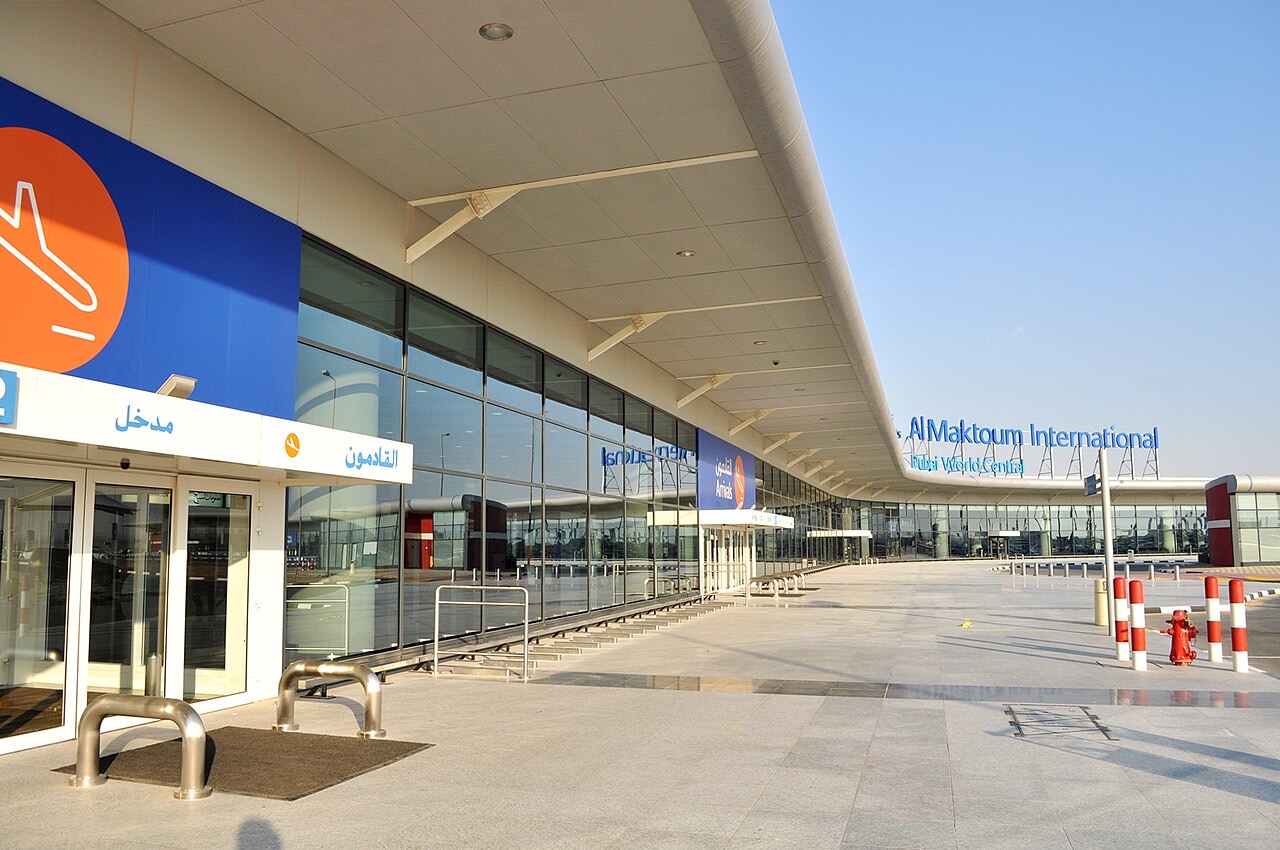
Dubai Aviation Engineering Projects (DAEP) has selected a joint venture of China Civil Engineering Construction Corporation (CCECC) and Abu Dhabi's Tristar for an estimated AED10bn ($2.7bn) substructure package for concourse four at Al-Maktoum International, MEED reported on 9 October. More large packages are due before year-end.
What happened
Dubai Aviation Engineering Projects (DAEP) has chosen a contractor for the concourse four substructure package in phase one of the Al-Maktoum International (DWC) expansion. The package is valued at an estimated AED10bn ($2.7bn) and will be executed by a joint venture of Beijing-headquartered China Civil Engineering Construction Corporation (CCECC) and Abu Dhabi-based Tristar Engineering & Construction.
At the time of writing we had not seen an official announcement from DAEP or CCECC; contract details should be confirmed against one.
Background
The package is part of a roughly $35bn expansion. The new airport, south of Dubai, covers about 70 square kilometres and is planned with five parallel runways, around 430 aircraft gates, capacity for 260 million passengers and 12 million tonnes of cargo a year, built in three phases.
DAEP has already awarded enabling works, the second runway, terminal foundations and concourse substructures. In July the automated people mover contract (about $1.5bn) went to a joint venture of Japan's Mitsubishi Corporation and India's L&T.
What comes next
In June DAEP said it would award construction contracts worth more than AED55bn ($15bn) by the end of 2026. Still to come: the West Terminal substructure and baggage handling; superstructure for the West Terminal and concourses one to three; long-span structural frames covering about 1.5 million square metres; southern airfield infrastructure; and power and district cooling plants for the construction programme. Facade and roofing packages are also planned for 2026.
MOHENG's view
For Chinese companies the opportunity reaches well below the main contract. A $2.7bn substructure package generates heavy subcontracting and procurement: shoring, rebar and formwork, ready-mix concrete, tower cranes and piling rigs, followed by MEP and steelwork.
The superstructure, long-span steel and facade packages that follow play to the strengths of Chinese steel-structure and curtain-wall firms. Suppliers who want in should prepare UAE vendor prequalification now and open contact with the contractors already on site. MOHENG can help equipment and materials suppliers understand the procurement process and prepare qualification documents.
Risks
- Subcontracts on large UAE projects commonly use pay-when-paid clauses and high retention; read the payment terms before signing.
- Long programmes need price-adjustment clauses for steel, cement and other materials.
- Contract details here are based on media reporting; official announcements prevail.
Sources
- MEED · 2026-10-09 · Dubai picks contractor for Al-Maktoum airport terminal
Compiled from public information for reference only; not investment advice. Official announcements prevail for contract and project details.